Sage
AIAetherRx AI Guide
Disclaimer
AI Guide • Not Medical AdviceStrictly searching verified AetherRx forums, protocols, and botanicals.
AetherRx AI is an educational guide, not traditional advice.
AetherRx AI Guide
Strictly searching verified AetherRx forums, protocols, and botanicals.
AetherRx AI is an educational guide, not traditional advice.


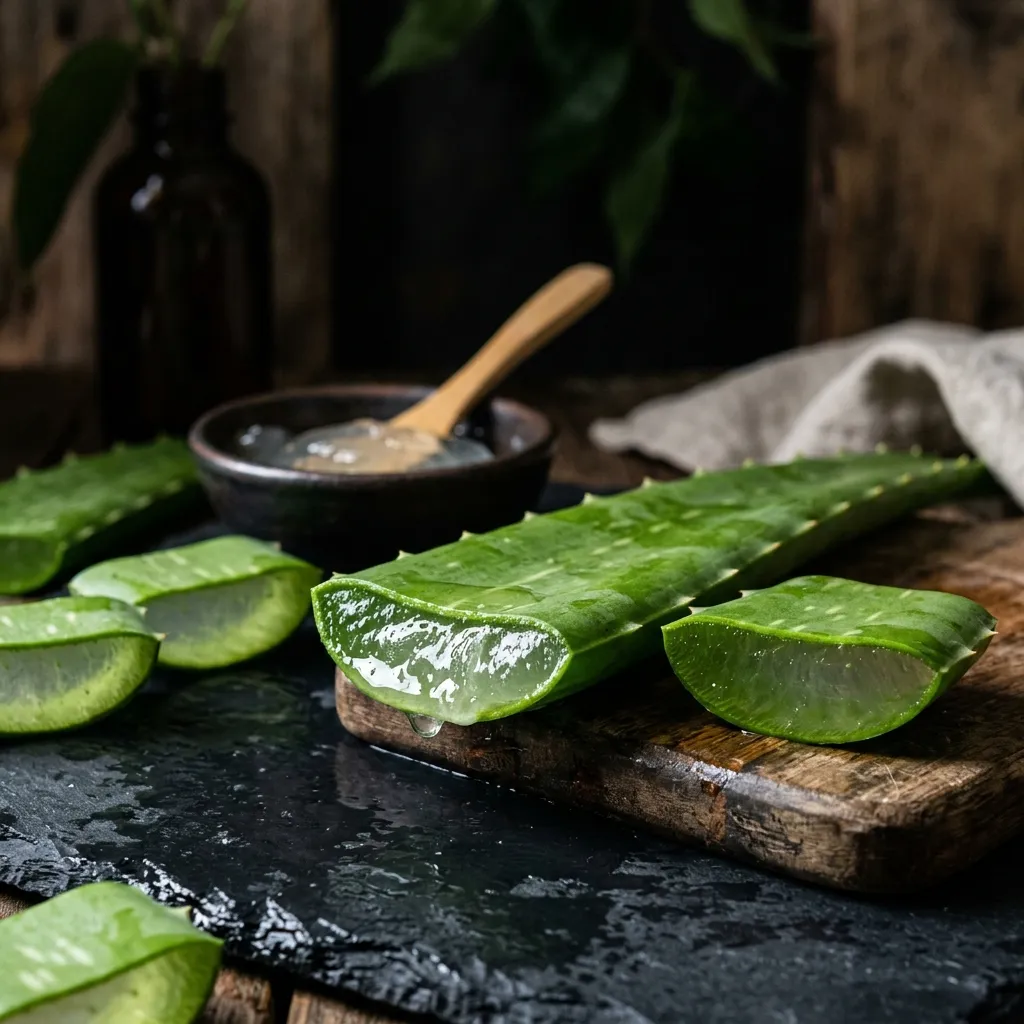
Aloe vera is a succulent perennial from the Arabian Peninsula whose clear mucilaginous inner leaf gel was applied by Egyptian, Greek, and Mediterranean healers for thermal burns, sunburn, and skin abrasions, and taken as a bitter latex for stubborn intestinal stagnation.
""Inner leaf aloe vera gel provides acemannan polysaccharides and glycoproteins that coat, soothe, and protect irritated gastrointestinal and dermal epithelial membranes during barrier recovery." — Verified Citation: The Autoimmune Solution (Chapter 6: Pillar I: Soothing the Gut & Epithelial Lining, p. 136 (2015))"
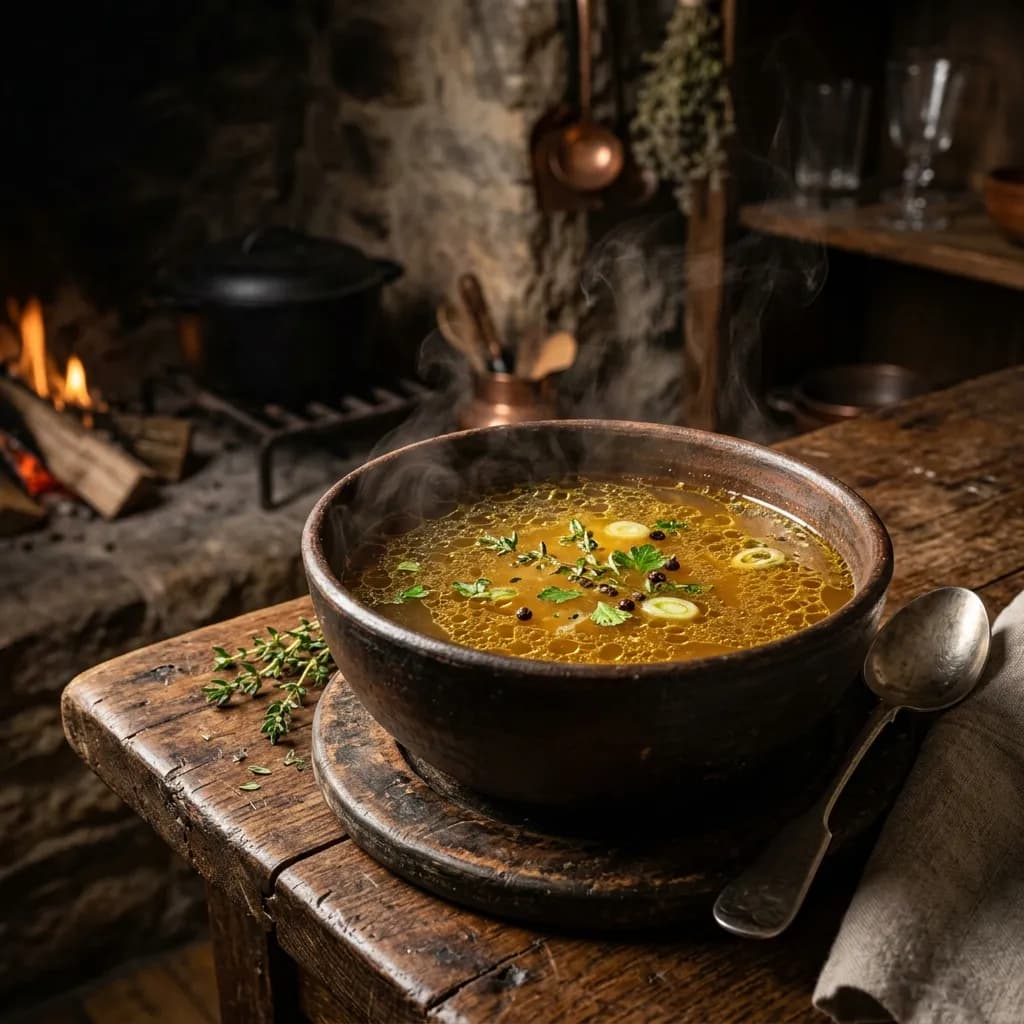
Bone broth is a collagenous liquid slow-simmered from pastured animal marrow bones, connective tissue, and cartilage, delivering bioavailable gelatin, glycine, proline, and glutamine to nourish intestinal tight junctions, ease joint stiffness, and support skin matrix regeneration.
""Short-simmered gelatinous meat and bone stock supplies bioavailable glycine, proline, glucosamine, and collagen peptides that nourish enterocytes, seal the gut lining, and hydrate articular cartilage." — Verified Citation: Gut and Psychology Syndrome (Part II: The GAPS Introduction Diet & Meat Stocks, p. 118 (2004))"
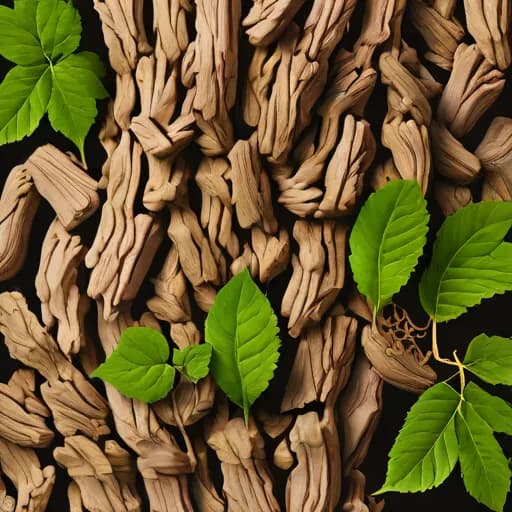
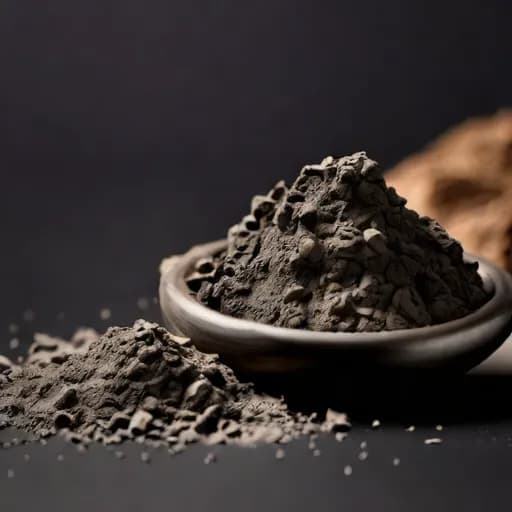
The mucilage-rich inner bark of the native North American red elm tree, traditionally stirred into warm water to form a soothing, demulcent gel that coats irritated gastrointestinal and esophageal lining while calming acid reflux.
""Powdered inner bark of slippery elm (Ulmus rubra) mixed in cool water forms a soothing mucilaginous coating along the esophagus, stomach, and intestinal tract, shielding sensitive mucosa during assimilation." — Verified Citation: The Edgar Cayce Health Database (Reading 480-19 & Reading 3051-3: Slippery Elm Bark & Saffron Water (1938))"
5 active protocols with member experiences or verified research
These botanicals are historically or theoretically associated with this ailment, but no community members have reviewed or recorded protocols yet:
General Stress / Resistance
No discussions yet. Be the first to share your experience!
You must be logged in to join the discussion.
In the conventional Western traditional system, patients diagnosed with this condition are typically directed toward a standardized clinical protocol. Conventional rheumatologists or pain specialists frequently recommend non-steroidal anti-inflammatory drugs (NSAIDs), corticosteroid injections, or opiate-based pain relievers to manage discomfort and reduce swelling. Disclaimer: This is a generalization of standard allopathic practices and is provided solely for educational contrast, not as traditional advice.